




Across the globe, health surveillance has become one of the most critical pillars of public health protection. From Ebola outbreaks in West Africa to the COVID-19 pandemic, countries have learned, sometimes the hard way, that early detection saves lives, protects economies and prevents health systems from becoming overwhelmed.
At the heart of that early detection process is something less visible but equally vital, which is the safe handling and tracking of samples. As a result, sample reception centres have increasingly become essential components of modern laboratory systems.
They serve as controlled entry points where clinical and environmental specimens are received, documented, stored and transferred under strict biosafety standards. Without such systems, the risk of contamination, misidentification or delayed analysis rises sharply, with serious implications for outbreak response.
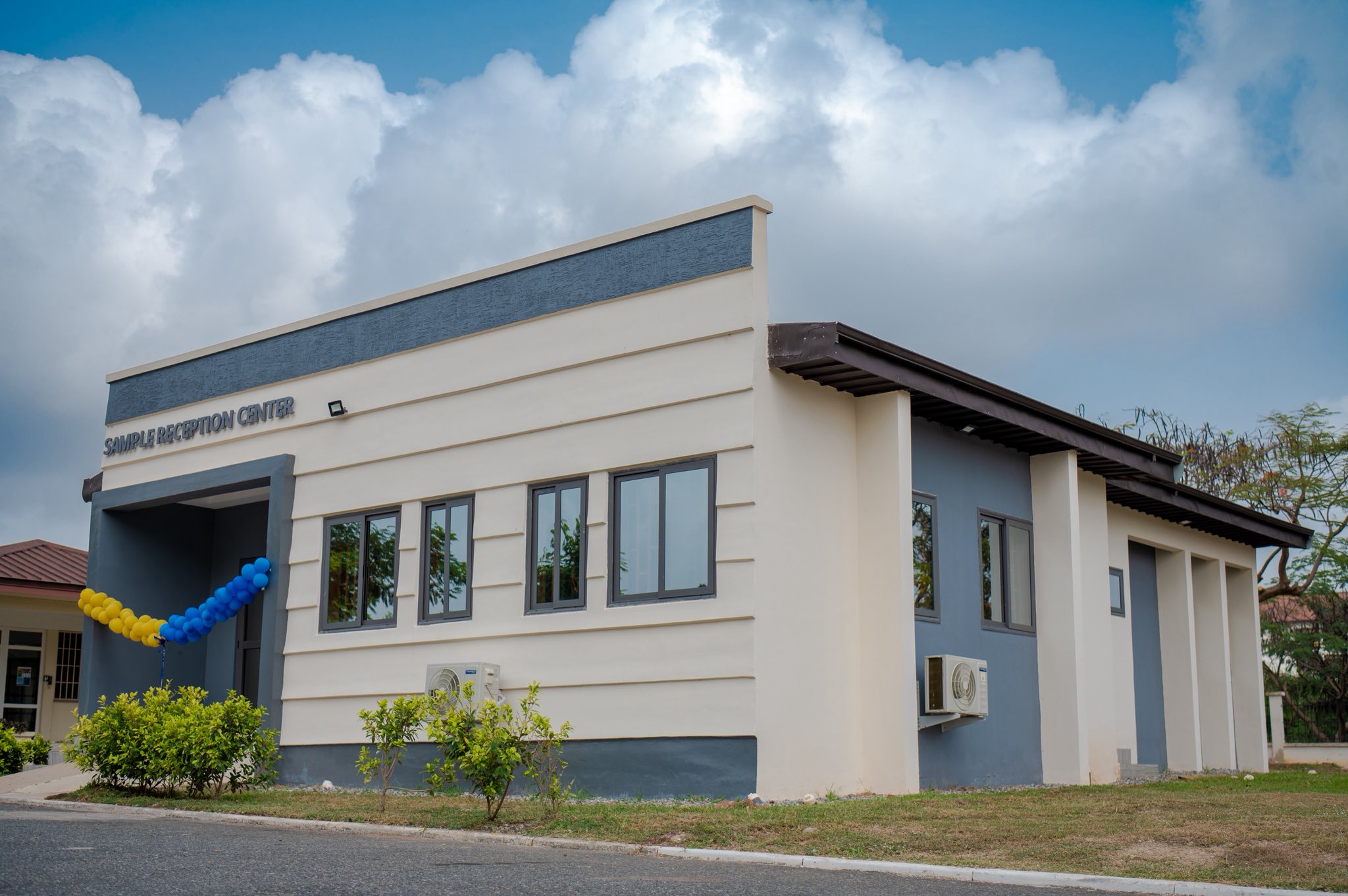
It is against this backdrop that a new Sample Reception Centre has been constructed at Ghana’s leading biomedical research institution, the Noguchi Memorial Institute for Medical Research (NMIMR) at the University of Ghana. The new Centre comprises a waiting area and five specialised sample rooms equipped to support safe and efficient specimen handling.

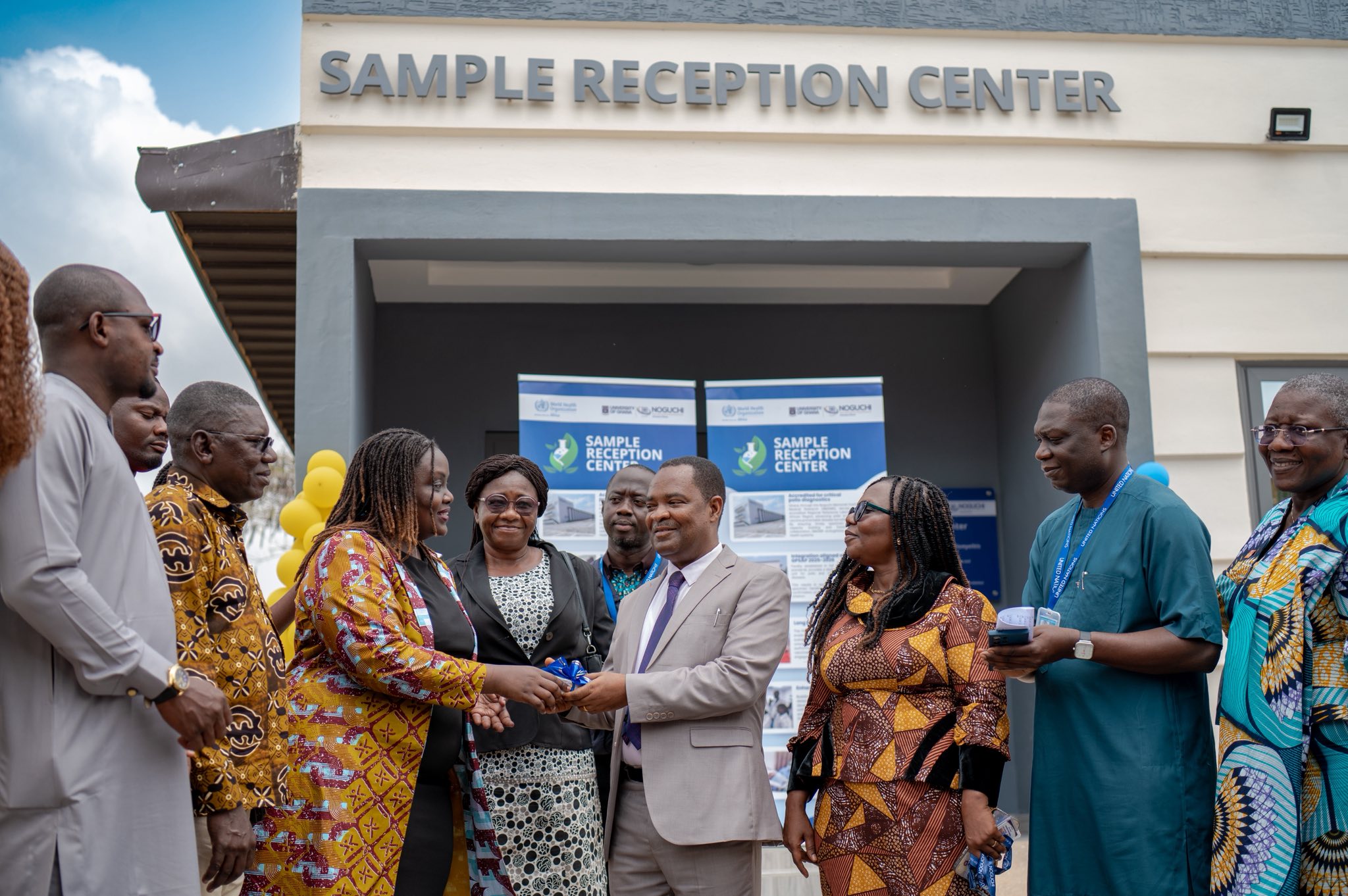
That long-term vision is also reflected in the partnerships behind the project. The Centre was funded through a collaboration between the World Health Organisation and the Bill & Melinda Gates Foundation, with additional support from the Rotary Club of Ghana.
For more than four decades, the Institute has played a central role in Ghana’s disease surveillance and outbreak response architecture. The Institute has become synonymous with laboratory excellence in the country and beyond. It has prioritised routine diagnostics and emergency testing during public health crises. The new facility strengthens that reputation.
Designed as a central hub for secure specimen management, the Centre ensures that samples arriving from health facilities and surveillance sites across Ghana and neighbouring countries are received, documented and processed under internationally accepted biosafety standards. It strengthens documentation systems, reinforces chain-of-custody procedures and reduces the risk of contamination.
In public health terms, that translates into faster, more reliable diagnoses and stronger epidemiological investigations.
The strategic importance of this investment becomes clearer when viewed against the realities of West Africa. The region remains vulnerable to infectious disease outbreaks due to cross-border mobility, rapid urbanisation and uneven laboratory capacity across countries. In such a landscape, strong reference laboratories do not serve national systems alone but act as anchors for regional health security
The new reception centre, therefore, positions the Noguchi Memorial Institute for Medical Research to play a more coordinated and responsive role in sub-regional disease control efforts.
With improved specimen handling infrastructure, the Institute can manage higher sample volumes during outbreaks while maintaining strict quality assurance standards. The ability to detect pathogens early in an interconnected region and to do so accurately can mean the difference between a contained incident and a cross-border crisis.
The investment also reflects lessons drawn from recent global experience. The COVID-19 pandemic exposed structural weaknesses in health systems worldwide, particularly gaps in laboratory logistics and specimen management. Ghana, like many countries, faced surges in testing demand that stretched infrastructure, delayed turnaround times and placed immense pressure on laboratory personnel. Strengthening sample reception systems is, in many respects, a direct response to those vulnerabilities.
With this addition, the Institute consolidates its place as a pillar of Ghana’s public health architecture and is better positioned to support the sub-region in detecting, responding to and containing disease threats before they escalate into full-scale crises.
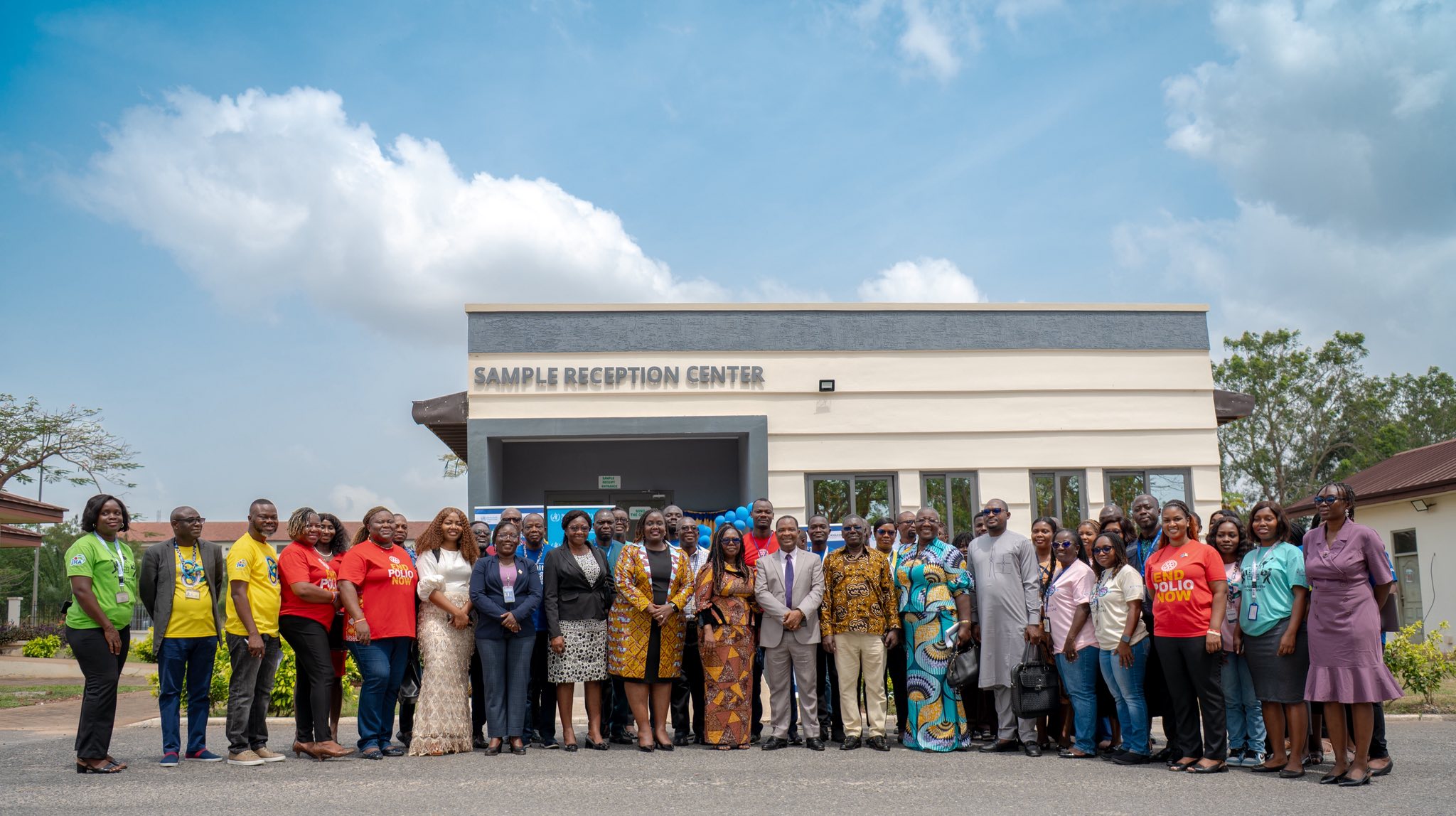

Picture Credit: WHO Ghana