



The growing populations across Africa and the world, with young people forming the base of these demographics, continue to raise concerns about how cities can provide reliable infrastructure, efficient transport systems and sustainable living conditions for their residents.
In many major cities, where population concentrations are highest, pressure on public infrastructure such as roads, housing, transport systems and digital services has intensified. The situation often results in congestion, lost productivity, environmental stress and limited access to essential urban services.
However, several governments have tended to adopt fragmented approaches in addressing these challenges, a situation that continues to leave a significant portion of the productive workforce caught in traffic, facing daily inefficiencies and reduced economic output.
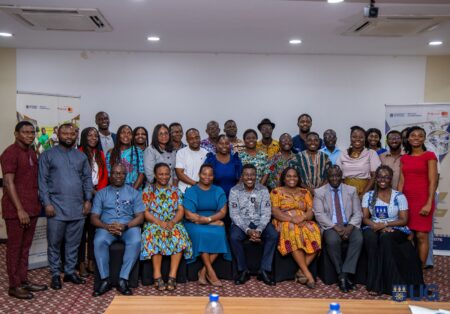
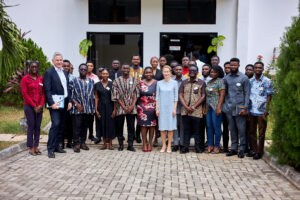
It was in response to questions on how cities can better respond to these realities that the 2026 Aggrey–Fraser–Guggisberg Memorial Lectures at the University of Ghana became a platform for proposing ideas and solutions.
The University has long positioned the annual Aggrey–Fraser–Guggisberg Memorial Lectures as a high-level institutional forum for reflection and dialogue on issues of national and global importance. Over the years, the lecture series has brought scholars, policymakers and practitioners together to examine complex development challenges and share ideas that can inform policy and practice.
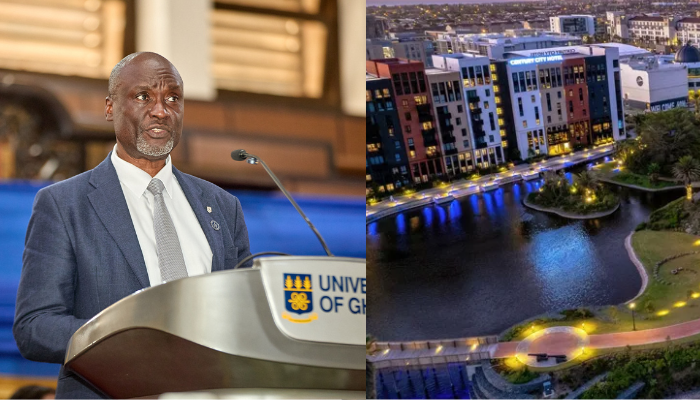
This year’s lecturer, Prof. Washington Yotto Ochieng, Head of the Department of Civil and Environmental Engineering at Imperial College London and a Fellow of the Royal Academy of Engineering in the UK, used the two-day lecture series to examine how cities can become more sustainable, resilient and technologically responsive to future demands.

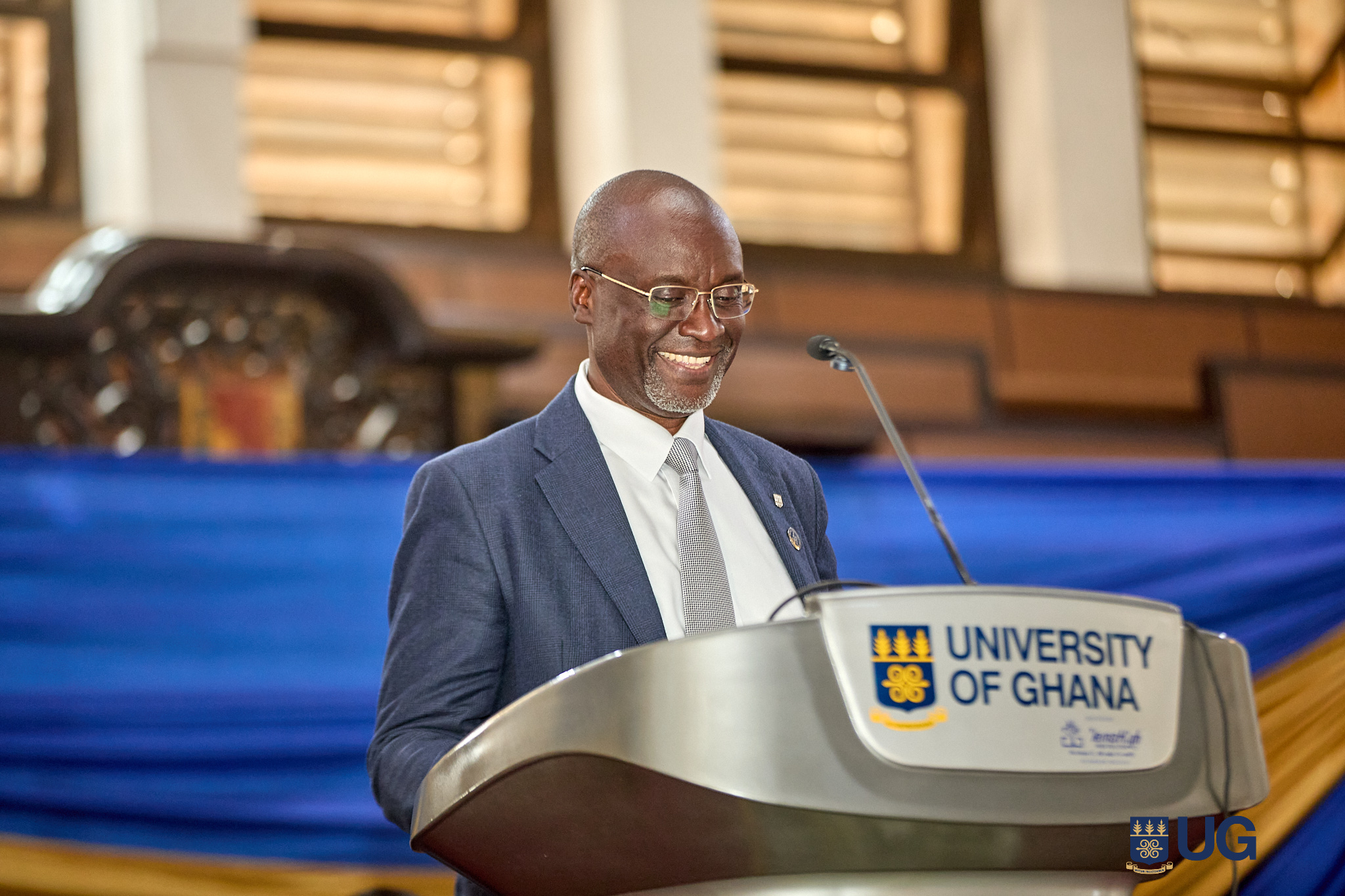
Delivering lectures on the themes “Sustainable Smart Cities – The Need for Digital Tools and Fit-for-Purpose Engineers” and “The Crucial Need for Resilient Positioning, Navigation and Timing for a Nation’s Critical Infrastructure,” Prof. Ochieng explored the complex systems that shape modern cities and the engineering solutions required to sustain them.
He explained that building sustainable cities requires an understanding of the interconnected relationships between people, infrastructure, demand for goods and services, technology, governance structures and broader societal dynamics.
“Cities are complex systems where people, infrastructure, technology, operations and governance constantly interact,” he said. “Understanding these interactions is critical if we are to design urban systems that are efficient, sustainable and capable of meeting future demands.”
Prof. Ochieng stressed that addressing these challenges requires multi-, inter- and trans-disciplinary collaboration among academia, industry, governments and wider society.
“Solutions to the challenges facing our cities cannot be developed in isolation,” he noted. “They require collaboration across disciplines and institutions to fully understand the systems involved and to design solutions that work in practice.”
He also highlighted the importance of engineering education and research in shaping the future of urban development in Africa. According to him, there is a need for a shift in the way engineers are trained, with stronger links between universities and industry.
Prof. Ochieng pointed to initiatives such as the Higher Education Partnerships in sub-Saharan Africa (HEPSA) programme, which supports collaboration between universities and industry through joint research projects, student placements, curriculum development and knowledge exchange.
“These initiatives help bring engineering education closer to the realities of modern industry while strengthening research and innovation capacity in African institutions,” he said.
A key focus of the lectures was the role of digital technologies in planning and managing urban systems. Prof. Ochieng introduced the concept of using digital twins and parametric planning tools to model cities, simulate different development scenarios and predict the performance of infrastructure systems.
“These digital tools allow planners and policymakers to test ideas before implementing them,” he explained. “They make it possible to explore how urban structures influence sustainability and how socio-demographic changes affect infrastructure performance.”
He noted that such technologies could help city authorities determine where new infrastructure is required, when ageing systems need replacement and how to optimise the use of existing assets.
The lecturer further discussed emerging technologies that are expected to shape future mobility systems, including Connected and Autonomous Vehicles (CAVs) and Mobility-as-a-Service (MaaS) platforms.
“These technologies have the potential to transform how people move within cities,” he said, adding that regulatory frameworks must evolve to accommodate new business models and technological innovation.
On the second day of the lectures, Prof. Ochieng turned attention to the critical role of Positioning, Navigation and Timing (PNT) systems in supporting national infrastructure.
He explained that modern infrastructure systems, including aviation, telecommunications, banking networks, transportation systems and emergency services, depend heavily on reliable PNT services.
“When these systems fail or are disrupted, the consequences can affect national security, economic activity and public safety,” he noted.
Prof. Ochieng outlined several vulnerabilities associated with PNT systems, including signal interference, cyber threats and system disruptions. He emphasised the need for resilient systems capable of maintaining accurate and reliable positioning and timing services.
According to him, resilient PNT systems must meet strict performance requirements, including availability, accuracy, integrity and continuity. These parameters determine the proportion of time that a service can deliver positioning information at the required performance levels.
He also called for stronger standardisation and regulatory frameworks to guide the development, transfer and application of such technologies across sectors.
“Ensuring resilience in these systems requires collaboration between engineers, manufacturers, policymakers and regulators,” he said.
Prof. Ochieng concluded by urging governments, academic institutions and industry partners to invest in engineering education, digital tools and resilient infrastructure systems capable of supporting sustainable development in rapidly growing cities.
“Building sustainable cities requires foresight, collaboration and innovation,” he said. “If we work together and plan effectively, we can create urban systems that improve quality of life while supporting economic growth.”
The 2026 Aggrey–Fraser–Guggisberg Memorial Lectures formed part of the University of Ghana’s broader efforts to stimulate dialogue and research on issues that shape the future of Africa and the world.